 Recycling and Sustainability for Gardening Uxbridge
Gardening Uxbridge is committed to creating an eco-friendly waste disposal area and a thriving sustainable rubbish gardening area across the borough. Our approach pairs practical waste separation with community-led green reuse: reducing landfill, increasing recycling rates, and supporting local green spaces. This page explains targets, facilities, partnerships and the low-carbon logistics that make our sustainable waste gardening vision tangible for households and gardens alike.
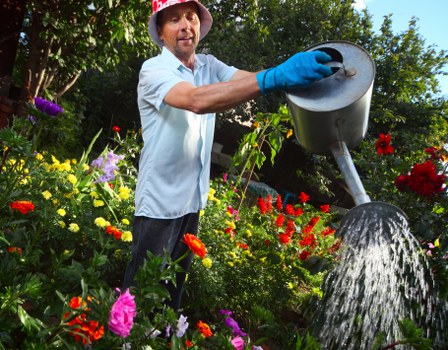 The borough-style approach to waste separation underpins our model: glass, paper & card, plastics & cans are collected as dry recycling; food waste is collected separately; and garden or green waste is managed through dedicated green bins or seasonal collections. By aligning with the council separation scheme we create a straightforward route from garden clippings and compostable waste to compost hubs and low-emission transfer routes, reducing contamination and increasing the value of recycled materials.
Our Recycling Percentage Target
We have set a clear recycling percentage target of 65% by 2030 for garden-related materials and household recycling combined within our network of community gardens and collection routes. This ambitious target for sustainable rubbish disposal in gardening settings is built on expanding composting, improving separation at source, and creating local circular reuse loops for timber, soil, pots and plant supports.
To reach this target we monitor weekly collections, contamination rates and material recovery. Our recycling and sustainability metrics feed into quarterly reports so we can adapt collection frequencies, training and outreach. By emphasizing the eco-friendly waste disposal area as both a physical hub and a behaviour-change project, we expect measurable improvements year-on-year.
 Working with the borough’s seasonal garden waste programme, we prioritise separate streams for woody green waste, soft cuttings and food-derived compostables. This separation increases the quality of output for community compost hubs and reduces transport emissions by consolidating loads at local depots.
Local Transfer Stations and Depot Network
Our local transfer stations form the backbone of a low-impact recycling infrastructure. Key transfer points include municipal depots and community garden loading bays that direct materials to certified composting facilities and recycling centres. Sample transfer nodes we use are:
- Midsize municipal transfer depot serving west and north borough districts
- Community garden transfer hubs for bulky plant pots, timber and soil-share activities
- Household recycling centres accepting segregated green waste and dry recycling
These local transfer stations are chosen for proximity to reduce haul distances and to support the creation of a genuine sustainable rubbish gardening area where materials are kept in local cycles rather than sent long distances for processing.
Partnerships with Charities and Social Enterprises
We partner with established charities and local social enterprises to maximise reuse and community benefit. The Conservation Volunteers (TCV) and other community groups help turn green waste into public compost, while social enterprises refurbish garden furniture and potting equipment for reuse. Partnerships include donation pathways for usable soil, planters and tools that would otherwise become waste.
Through these collaborations we focus on reuse first: usable timber becomes raised beds, surplus soil is screened for community plots, and pots are redistributed. This reduces waste volumes while supporting training and local employment in green sectors.
Our community reuse agreements also create social value—materials salvaged from garden clearances are repurposed for school gardens and urban allotments, keeping the environmental footprint local and positive.
Low-Carbon Vans and Greener Logistics
 To deliver a credible eco-friendly waste disposal area we operate a fleet of low-carbon vans: electric vehicles for short urban rounds and Euro-6 hybrid vans for heavier loads that still require combustion back-up. Route optimisation software, consolidated pickup points and timed collections reduce mileage and emissions across collection networks focused on garden waste, compostables and recyclables.
 Our logistics plan includes charging stations at key depots, driver training in eco-driving, and scheduled maintenance to keep efficiency high. By combining greener vehicles with local transfer stations we reduce the carbon intensity per tonne of recycled garden material, achieving lower overall footprint while ensuring materials reach high-quality processors.
Gardening Uxbridge invites residents and community groups to join this move towards a resilient, localised circular system for garden waste. Through targets, depot networks, charity partnerships and a low-carbon fleet we can transform how rubbish from gardens is treated—turning waste into a resource that nourishes our green spaces and neighbourhoods.