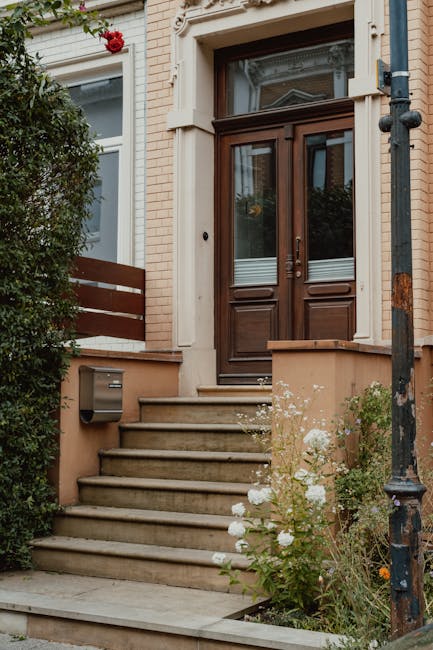
Uxbridge gardeners for High Street front garden makeovers: a practical guide to better kerb appeal
If your front garden feels tired, overgrown, patchy, or just a bit forgotten, you are not alone. A High Street frontage has a lot to do in a small space: it needs to look smart, stay tidy, work with foot traffic, and still feel like part of the home. That is exactly where Uxbridge gardeners for High Street front garden makeovers can make a real difference. Done well, a front garden makeover is not only about neat borders and fresh planting. It is about creating a welcoming entrance that feels purposeful, manageable, and good to come home to.
In this guide, we will look at what front garden makeovers involve, how the process usually works, what makes a design succeed on a busy street, and how to avoid the common mistakes that leave people disappointed six months later. We will also cover practical planning, upkeep, and the kind of choices that make a small space feel much bigger. Truth be told, the best front gardens are rarely the most complicated ones.
Why Uxbridge gardeners for High Street front garden makeovers Matters
A front garden is the first thing people notice. On a High Street, that matters even more because the space is judged instantly, often from the pavement, the car, or the front door. A good makeover can turn a slightly scruffy entrance into a clear, attractive frame for the house. And because it is the front of the property, it tends to influence everything from everyday pride to resale appeal.
There is also a practical side. Front gardens usually have to cope with more pressure than rear gardens: less privacy, more visibility, more weathering, and sometimes more constraints on parking, access, or boundary treatment. A design that looks lovely on paper but does not suit the daily rhythm of the house will quickly become annoying. Nobody wants that. So the best approach is not simply "make it pretty". It is "make it work, then make it lovely".
For homes on a busy street in Uxbridge, that balance is especially valuable. A neat, well-planned frontage can soften hard paving, improve drainage, reduce awkward maintenance, and create a more welcoming feel for visitors. In practice, it can be the difference between a garden you avoid and one you quietly enjoy every time you come up the path with the keys in your hand.
Expert summary: A successful front garden makeover should combine kerb appeal, easy upkeep, and a layout that suits the property's real-life use. If it only looks good for one week after planting, it has not really solved the problem.
How Uxbridge gardeners for High Street front garden makeovers Works
The process usually begins with a site visit or an initial conversation. A good gardener will want to know how you use the space, what is causing the current frustration, and what sort of look you want. Do you need more planting and less hard surface? Better privacy from the street? A smarter path? A front garden that works in shade, sun, or both? These details shape the design from the start.
After that comes assessment. The shape of the plot, the condition of the soil, the amount of light, drainage patterns, boundary lines, and existing features all matter. On a High Street, there may be some extra considerations too: sightlines, easy access, wheelie bin placement, and how the garden looks from multiple angles. A good gardener notices the small things. The sloping bit by the gate, the awkward corner that collects leaves, the place where water always sits after rain. Those details are not small at all, really.
Once the basics are understood, the makeovers usually move into a clear plan. That might include new planting, lawn replacement, edging, decorative gravel, paths, low fencing, raised beds, pots, or a full redesign of the entrance layout. The best plans are simple enough to maintain and strong enough to look good in all seasons, not just in a sunny week in May.
From there, the work is staged: clearing, soil improvement, structural changes, planting, finishing, and often a final tidy-up so the space feels complete. If the brief includes low-maintenance gardening, the selection of plants and materials should be chosen with future care in mind, not just the first photo.
Key Benefits and Practical Advantages
A front garden makeover delivers more than a visual lift. It can change how the whole property feels and how much effort it takes to keep it looking decent. That is the bit people sometimes underestimate.
- Stronger kerb appeal: A neat, balanced frontage immediately makes a property feel more cared for.
- Better everyday enjoyment: Even a small front garden can feel uplifting when it is well designed.
- Less maintenance stress: The right layout can reduce constant trimming, weeding, and awkward edging.
- Improved structure: Good borders, paths, and focal points make a small area feel ordered rather than cramped.
- More resilient planting: Plants chosen for the right aspect and soil are far more likely to thrive.
- Better boundary and entrance definition: This helps the property feel finished rather than exposed.
There is a subtle but important benefit too: a makeover often changes how the homeowner uses the front of the house. People start sweeping the path more regularly, watering more mindfully, and noticing the seasons again. That might sound small, but it adds up. A front garden is the bit you pass every day, not just at weekends.
On a busy street, another useful advantage is clarity. A well-structured frontage can make the entrance easier to read, especially for visitors, deliveries, or family members arriving in the dark. You do not want the front door to feel like a puzzle.
Who This Is For and When It Makes Sense
Front garden makeovers are not only for people who want a dramatic transformation. In fact, many of the best results come from modest changes carried out with good judgement. If your front garden feels slightly off, but you cannot quite say why, that is often a sign that a professional refresh would help.
This kind of work tends to make sense if you are dealing with one or more of the following:
- Overgrown shrubs that block the windows or narrow the path
- A patchy or tired lawn that never seems to recover
- Too much hard surface and not enough greenery
- Planting that looks mismatched or lacks structure
- Drainage problems, muddiness, or standing water
- A front entrance that feels dark, cramped, or unwelcoming
- Limited time for ongoing maintenance
It also makes sense if you are preparing to sell, renting out a property, or simply want to improve the impression your home gives from the street. To be fair, some people just get fed up seeing the same awkward patch every time they put the bins out. Fair enough. That counts too.
If you manage a property where presentation matters, such as a home near a commercial stretch or a frontage that gets regular attention from passers-by, a front garden makeover can help create a calmer, smarter look without turning the space into something fussy.
Step-by-Step Guidance
If you are thinking about a makeover, it helps to break it into practical steps. That way the project feels manageable instead of vague and expensive-looking before it has even started.
- Assess the space honestly. Look at what is working, what is not, and what you actually want from the area. Take note of sun, shade, traffic flow, and the places that frustrate you most.
- Set a realistic purpose. Do you want low maintenance, a better entrance, more privacy, more colour, or a complete transformation? One clear aim is better than five competing ones.
- Decide what should stay and what should go. Sometimes the structure is fine, but the planting is not. Sometimes it is the opposite. You do not always need to start from scratch.
- Prepare the ground. Clearing debris, improving soil, and dealing with drainage issues first will save a lot of regret later. This is one of those invisible jobs that makes a huge difference.
- Choose the design style. Formal, relaxed, cottage-inspired, contemporary, wildlife-friendly, or very low maintenance. The style should suit the house, not fight it.
- Select materials carefully. Paths, edging, gravel, and containers should be durable and appropriate for the amount of use the space gets.
- Plant for the site. Pick plants that can cope with the actual light and soil conditions. Pretty but unsuitable plants tend to become expensive disappointments.
- Finish with a tidy edge. A crisp boundary, a clean path line, or a smart container arrangement can make the whole front garden look more intentional.
- Plan a maintenance routine. Even low-maintenance gardens need occasional care. A simple monthly rhythm is better than a full panic every season change.
One small but important point: front garden work tends to look best when it has a strong structure first and decorative detail second. People often reverse that. Flowers are lovely, but if the bones of the space are weak, the whole thing can wobble visually.
Expert Tips for Better Results
After many front garden projects, certain patterns keep coming up. The successful makeovers are not necessarily the most expensive; they are the ones where the design decisions are quietly sensible.
1. Keep the palette restrained
Too many plant types, colours, and materials can make a small front garden feel busy. A simple palette, repeated thoughtfully, often looks smarter and more expensive than it really is. That is a pleasant surprise.
2. Think in layers
Use a combination of low planting, medium shrubs, and perhaps one stronger feature such as a specimen plant or a focal container. This gives the eye something to read. Without layers, a front garden can look flat from the pavement.
3. Respect the entrance route
People need to move comfortably from pavement to door. Keep paths clear, steps obvious, and planting away from pinch points. It sounds obvious, but a surprising number of designs forget that the garden is also a route.
4. Choose plants with year-round interest
In the UK, a front garden needs to earn its keep in winter too. Evergreen structure, bark texture, seed heads, and winter colour all help when the flower season has gone quiet.
5. Use containers sparingly but purposefully
A well-placed pot can lift an entrance beautifully. Three random pots? Less helpful. A pair of matching containers either side of a doorway or gate can create a calm, settled look.
Here is the honest bit: if you want the garden to stay attractive with minimal effort, you need to design for maintenance, not against it. That means making sure the person looking after the space can actually reach everything without muttering under their breath.
Common Mistakes to Avoid
Some mistakes show up again and again in front garden projects. They are fixable, but it is better not to make them in the first place.
- Overcrowding the planting. Small gardens need breathing room. Too many plants become chaos very quickly.
- Ignoring drainage. If water sits in the wrong place, surfaces can become slippery and plants can struggle.
- Choosing only for looks. A beautiful plant that hates your site will not stay beautiful for long.
- Using materials that do not suit the property. Some finishes look stylish in isolation but awkward next to the house.
- Forgetting maintenance access. If you cannot easily weed, prune, or water, the design is probably too tight.
- Making the entrance too busy. The front garden should guide you in, not distract you at every step.
- Neglecting the seasonal view. What looks good in summer may look bare in February unless there is good structure.
One more thing: do not let the project drift into a wish list of random features. A small front garden can look stunning with a few well-chosen elements. It does not need every idea you have ever liked on a Saturday afternoon scroll.
Tools, Resources and Recommendations
You do not need specialist kit to understand your own front garden better, but a few simple tools and habits help a lot. A notebook, a tape measure, a camera phone, and a rough sketch are often enough to start a sensible conversation with a gardener.
Useful things to think about before work begins:
- Photos in different weather: Take a few pictures on a dry day, after rain, and in low light. It reveals problems you may otherwise miss.
- A simple sketch plan: Even a hand-drawn outline helps identify where paths, borders, and focal points should sit.
- Season notes: Write down when the area gets morning sun, afternoon shade, heavy wind, or puddling.
- Existing materials list: Note what you already have that could be reused, like edging stones, pots, or healthy shrubs.
For service-related information, it can also help to review the company's services overview so you understand the kind of garden work that can be bundled into one project. If you are comparing options or trying to budget, the pricing and quotes page is a sensible next stop. And if you are simply trying to understand the team behind the work, the about us page can give useful context.
Practical recommendations usually come down to this: choose materials that last, plants that suit the site, and a layout that makes sense on a rainy Tuesday in November. That is the real test. Not just the first day after installation, when everything looks smug and freshly watered.
Law, Compliance, Standards, or Best Practice
Front garden projects are usually straightforward, but there are still a few practical responsibilities to keep in mind. If the work involves paving, drainage changes, boundary adjustments, shared access, or work close to public pathways, it is sensible to think carefully about safety and any local requirements before starting. The exact rules can vary depending on the property and the scope of work, so cautious planning is the right approach.
Good practice matters just as much as formal compliance. That means clear communication, sensible site protection, tidy workmanship, and safe handling of tools and materials. It also means checking that the contractor works in a way that respects the property and the surrounding area.
For peace of mind, it is worth reviewing practical trust pages such as health and safety guidance and insurance and safety information. If environmental handling matters to you, the recycling and sustainability page explains how waste and reuse are approached. These are not glamorous details, but they matter when work is being carried out close to your home.
It is also reasonable to ask about payment security, terms, and what happens if plans change. A professional setup should make these points clear, not awkward.
Options, Methods, or Comparison Table
Not every front garden makeover needs the same level of intervention. Sometimes a light refresh is enough. Other times, a full redesign is the smarter choice. Here is a simple comparison that can help you think it through.
| Approach | Best for | Main advantages | Possible drawbacks |
|---|---|---|---|
| Light refresh | Gardens that already have a decent structure | Quick, cost-conscious, easy to phase | May not fix deeper layout or drainage problems |
| Planting-led makeover | Frontages that feel bare, messy, or outdated | Strong visual impact without full reconstruction | Needs good soil and correct plant choice |
| Hardscape-led redesign | Spaces with poor access, worn paths, or awkward structure | Improves usability and creates a sharper finish | More planning, more disruption, usually more cost |
| Low-maintenance scheme | Busy households or landlords | Less ongoing work, tidy appearance, reliable structure | Can look plain if the planting plan is too cautious |
In many cases, the best answer is a hybrid approach. A bit of structural improvement, a stronger planting scheme, and one or two smart features can solve the main problems without turning the garden into a construction site. That is usually where the sweet spot is.
Case Study or Real-World Example
Consider a typical High Street frontage with an overgrown shrub bed by the bay window, a narrow concrete path, and a small patch of tired lawn that never looks quite green enough. The house itself is perfectly pleasant, but from the street it feels a little overwhelmed by its own garden.
A sensible makeover in that situation might begin with a clear-out of congested planting, followed by soil improvement and a rethinking of the path edge. Instead of squeezing more plants into the space, the gardener could introduce a tighter planting palette, perhaps with evergreen structure, seasonal colour, and a couple of containers near the entrance. The old lawn might be replaced with a more practical surface or a smaller, better-defined feature area.
What usually surprises homeowners is how much calmer the space feels after that. Not dramatically different, just better organised. The windows breathe again. The path makes sense. The front door stands out. And the whole property seems to sit more comfortably on the street. It is one of those changes that you notice from the kerb at dusk, when the light is fading and the entrance suddenly looks warm instead of apologetic.
That kind of result is not about showiness. It is about restraint, proportion, and making a small area feel intentional. Very often, less really is more.
Practical Checklist
Use this checklist before starting a front garden makeover. It helps keep the project grounded.
- Have I identified the main problem: layout, planting, access, or maintenance?
- Do I know how much sun and shade the front garden gets?
- Is drainage working properly, or does water collect anywhere?
- Have I decided whether I want low maintenance, more colour, or a full redesign?
- Are the path, steps, and entrance easy to use every day?
- Have I chosen a style that suits the house?
- Are the plants likely to thrive in the actual conditions?
- Do I have a clear budget range and a sensible scope of work?
- Have I checked how waste, recycling, and tidy-up will be handled?
- Do I know how the garden will be maintained after the makeover?
And one more tiny line to keep in mind: if the plan feels complicated before the work starts, it may be too complicated. Simple can be brilliant.
Get a free quote today and see how much you can save.
If you are ready to move from ideas to action, the easiest next step is to speak with a local team that understands both the practical and visual sides of front garden work. You can start by reviewing the services available, then use the contact page to discuss your frontage, your priorities, and the sort of result you want. A short conversation now can save a lot of guesswork later.
Conclusion
A front garden makeover is one of the most satisfying improvements you can make to a home. It does not need to be dramatic to be effective. When the planting, layout, and materials work together, the whole property feels calmer, more welcoming, and much easier to live with.
For High Street homes in Uxbridge, the best results usually come from thoughtful planning, realistic maintenance choices, and a design that respects the way the frontage is actually used. The details matter. A tidy edge, a clear path, the right plant in the right place. Small things, yes, but they shape the bigger picture.
If your front garden has been bothering you for a while, it may be time to give it the attention it deserves. Not rushed, not overcomplicated. Just properly done. And that, in the end, is what makes a house feel looked after.
Frequently Asked Questions
What do Uxbridge gardeners for High Street front garden makeovers usually include?
They commonly include clearing, reshaping beds, improving soil, planting, edging, path tidying, and sometimes simple hard landscaping such as gravel or new borders. The exact scope depends on the condition of the garden and the result you want.
How long does a front garden makeover take?
It depends on the size of the space and how much work is needed. A light refresh may be completed quickly, while a more involved redesign with drainage, planting, and structural changes takes longer. A proper plan helps avoid delays.
Is a front garden makeover worth it if the space is very small?
Yes, often more so. Small front gardens benefit from clear structure and restrained planting. A compact space can look surprisingly impressive when every element has a purpose.
What makes a front garden low maintenance?
Low-maintenance gardens usually rely on good structure, durable materials, and plants that suit the site. They are designed so routine care is simple rather than constant.
Can a front garden makeover help with drainage problems?
It can, depending on the issue. Surface changes, soil improvement, and better layout can help, but drainage problems need to be assessed properly rather than guessed at. That is one area where careful judgement matters.
Should I choose more planting or more hard landscaping?
That depends on how the space is used. If the front garden is mostly ornamental, planting may take the lead. If access, parking, or muddy areas are a problem, more structure may be the better option. A balanced mix is often best.
How do I choose plants for a front garden in Uxbridge?
Start with the site conditions: sun, shade, wind, and soil type. Then think about size, shape, and year-round interest. Plants should suit the location first and the style second.
Do I need planning permission for a front garden makeover?
Not always. Many front garden improvements are straightforward, but work involving major surface changes, drainage, or boundary alterations may need extra thought. It is sensible to check the details before starting.
How much should I budget for a front garden makeover?
Budgets vary widely depending on size, materials, and complexity. A simple refresh will cost less than a full redesign. For a realistic figure, it is best to request a tailored quote based on your actual frontage.
What should I ask a gardener before hiring them?
Ask about their approach, how they handle safety, what is included in the work, how waste is managed, and how the final result will be maintained. You can also review their terms and conditions and payment and security information so everything is clear from the start.
Can a front garden makeover improve kerb appeal for selling a house?
Yes. A neat, coherent frontage can make a property feel better cared for and more welcoming. That does not guarantee a sale, of course, but first impressions do carry weight.
How do I keep the front garden looking good after the makeover?
Use a simple maintenance routine: light weeding, seasonal pruning, watering when needed, and an occasional tidy-up of edges and paths. Most front gardens fail not because the design was poor, but because the aftercare was too vague.
Where can I learn more about the company before booking?
You can explore the about us page for background, the services overview for what is offered, and the contact page if you are ready to talk through your project. It is a simple way to move forward without guesswork.