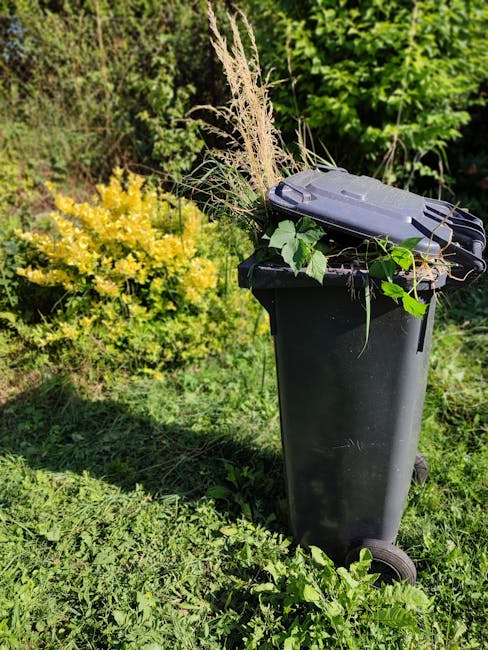
Hillingdon Council garden clearance rules for gardeners: a practical guide for doing the job properly
If you clear gardens for a living in West London, the Hillingdon Council garden clearance rules for gardeners are not something you can treat as background noise. They affect how you load waste, where it ends up, what you can leave behind for a customer, and whether the job feels smooth or turns into a headache. In a typical Uxbridge side return or a tired overgrown back garden near the school run route, a neat clearance can make a huge difference. But one loose bag, one wrong disposal choice, and suddenly you have a problem.
This guide explains the practical side of garden clearance in Hillingdon in plain English. You will learn what matters most, how to keep clearance work compliant and tidy, what to avoid, and how to plan jobs in a way that protects both your customer and your business. We will also look at the overlap between clearance, garden maintenance, hedge trimming, lawn mowing, and larger outdoor projects such as landscaping and tree lopping and removal.
Truth be told, most clearance jobs are straightforward when the waste is sorted well and expectations are clear from the start. The tricky bit is often the messy middle: mixed green waste, soil, timber, old pots, and the odd bit of general rubbish hiding in the corner. That is where good judgement matters.
Key takeaway: Garden clearance in Hillingdon is not just about removing waste. It is about separating materials properly, preventing fly-tipping, handling bulky or hazardous items carefully, and leaving the site clean enough that the customer can actually use the space again.
Table of contents
- Why Hillingdon Council garden clearance rules for gardeners matters
- How Hillingdon Council garden clearance rules for gardeners works
- Key benefits and practical advantages
- Who this is for and when it makes sense
- Step-by-step guidance
- Expert tips for better results
- Common mistakes to avoid
- Tools, resources and recommendations
- Law, compliance, standards, or best practice
- Options, methods, or comparison table
- Case study or real-world example
- Practical checklist
- Conclusion
- Frequently asked questions
Why Hillingdon Council garden clearance rules for gardeners Matters
Garden clearance looks simple from the outside. Cut back overgrowth, load the waste, tidy the border, job done. But local rules and disposal expectations shape the job from start to finish. If you are working in Hillingdon, you are not just managing plant material; you are managing responsibility. That includes what you take away, how you separate it, and how confidently you can show the customer that the waste was handled properly.
Why does this matter so much? Because clearance jobs create a mixed stream of waste. Green waste can often be recycled or composted, while treated timber, rubble, plastic, old garden furniture, and bagged rubbish may need different handling. If it is all thrown together without thought, the job becomes more expensive, less efficient, and harder to explain. And nobody likes a customer asking, halfway through, why the price suddenly looks different.
There is also the simple fact that outdoor waste can cause nuisance if it is dumped or stored badly. Wet hedge cuttings start to smell. Mixed rubble tears bags. Soil leaks into a trailer. A pile left on a driveway in the rain is one of those small disasters that looks worse at 8 a.m. than it does at 4 p.m. on a dry afternoon.
For gardeners, following the right local approach also protects your reputation. A customer who sees a clean van, labelled bags, and a clear explanation of where their waste is going is far more likely to trust you. That trust is worth a lot.
How Hillingdon Council garden clearance rules for gardeners Works
At a practical level, garden clearance in Hillingdon works like most sensible UK garden waste jobs: you assess the site, identify the waste types, decide what can be reused or recycled, and remove the rest through the appropriate route. The council angle matters because domestic and commercial waste must be managed responsibly, and local expectations around fly-tipping, public nuisance, and recycling are strict enough that shortcuts are not worth the risk.
In plain terms, the job usually falls into a few categories:
- Green waste: grass cuttings, hedge trimmings, leaves, soft pruning, and plant material.
- Woody waste: branches, trunks, roots, and thicker cuttings.
- Mixed garden waste: a combination of organic material and non-organic bits such as pots, string, planters, and broken fixtures.
- General waste: items that are not garden waste at all, like broken toys, black bags, old cushions, or household debris found in sheds or corners.
That split matters because each type may need a different disposal method. For example, a huge pile of conifer clippings may be ideal for green recycling, but a load mixed with fence panels and old cement bags is a different story. Gardeners who recognise that difference early save time and avoid awkward surprises.
There is another piece to this: access. In a tight Hillingdon terrace, moving waste through a narrow side gate or shared passage can take longer than the cutting itself. In a larger garden, the challenge might be distance, heavy bags, or protecting a lawn from foot traffic. The rules are one thing, the site reality is another. Both need thinking about.
If the job sits alongside wider outdoor work, it can be sensible to bundle clearance with services such as garden clearance, services overview, or longer-term garden maintenance. That helps avoid repeat visits and keeps the garden from sliding straight back into chaos.
Key Benefits and Practical Advantages
Following Hillingdon Council garden clearance rules for gardeners is not only about avoiding trouble. Done well, it makes the work faster, cleaner, and easier to price. The benefits are practical, not theoretical.
- Cleaner jobs: Waste sorted early means faster loading and a tidier finish.
- Better recycling: More green waste can be diverted from general disposal when it is separated properly.
- Fewer disputes: Customers are less likely to question what was removed if the process is clear.
- Less risk: Reduced chance of contamination, spillages, or unsafe handling.
- More professional appearance: A garden that is cleared with care looks finished, not just emptied.
There is also a softer benefit that people forget: peace of mind. When a customer sees that the cuttings, branches, and debris have been handled responsibly, they relax. They can enjoy the space without wondering whether the job left a hidden mess under the hedge or behind the shed. That feeling matters, especially after a long-overdue clear-up.
For commercial decision-making, it also improves quoting. Once you know the likely waste mix, access issues, and whether sorting is needed, pricing becomes more realistic. If you want to compare this with your wider service structure, it can help to review pricing and quotes before agreeing a large clearance job.
Who This Is For and When It Makes Sense
This topic matters to more people than you might first think. Obviously, it is relevant to gardeners who offer garden clearance as a paid service. But it is just as useful for landscapers, grounds maintenance teams, and property managers dealing with overgrown gardens, rental move-outs, or post-storm cleanup.
It makes sense to think about the rules and process when:
- a garden has been neglected for months or years
- there is a mix of green waste and general rubbish
- the job includes bulky branches or tree sections
- you are working on a property with limited access
- the customer expects a full tidy-up, not just a cutback
- you need to decide whether the job is a clearance, maintenance visit, or a larger landscaping project
Sometimes the decision is obvious. A small front garden with a few bags of hedge trimmings is a maintenance job. A back garden full of brambles, old pots, and a dismantled shed corner? That is clearance, and possibly more than one visit. To be fair, a lot of call-outs begin with "it's not that bad" and end with a trailer full of surprises.
It also matters for homeowners who are comparing services. If you are deciding between a one-off tidy and a more complete reshaping of the space, it is worth looking at whether the job will also involve landscape gardening or hedge trimming, because that changes both the sequence and the waste plan.
Step-by-Step Guidance
A good clearance job is usually won or lost before the first branch is cut. Here is the practical sequence most gardeners benefit from.
1. Inspect the site properly
Walk the garden and look for obvious waste categories. Note access points, trip hazards, waterlogged areas, fragile surfaces, and anything that may need careful lifting. If there are hidden corners, check them. The area behind the shed is often where the "small" job hides its complications.
2. Separate waste into clear groups
Keep green waste apart from timber, rubble, plastics, and general rubbish. If you are doing this as you go, the end of the job becomes far easier. It also makes it simpler to explain to the customer what has been removed and why.
3. Decide what can be chipped, composted, or reused
Some material is perfect for recycling or repurposing. Branches may be chipped. Some woody offcuts can be stacked for future use. Healthy plant material may be suitable for composting. Waste decisions are easier when you are honest about condition and contamination.
4. Protect surfaces and access routes
Use sensible lifting routes and avoid dragging heavy bags over paving, decking, or lawns. If the job includes timber features, such as a worn platform or edging, it may be wise to check whether the work overlaps with decking services or surface protection needs.
5. Load safely and evenly
Do not overfill bags or load a trailer in a way that makes it unstable. Keep heavier waste low and balanced. The boring part of the job, maybe, but it saves you from a messy drive and a sore back.
6. Finish with a proper tidy
Blow or sweep paths, collect loose cuttings, check corners, and leave the site presentable. The last five minutes often decide how the customer remembers the whole service.
Expert Tips for Better Results
Here is where small habits make a real difference.
- Quote with the waste mix in mind. Not all garden waste has the same handling cost. A mixed clearance is not the same as a green-waste-only job.
- Use a simple sorting system from the start. One pile for green waste, one for timber, one for non-garden items. Nothing fancy. Just consistent.
- Check access before arrival day. If a side gate is narrow or shared with neighbours, that affects the loading plan.
- Keep customers informed. A quick explanation about what will be removed and what may need separate handling prevents confusion later.
- Watch for hidden damp or decay. Old piles of cuttings can be heavier than they look, especially after rain. You will notice the difference fast when the bag feels like wet carpet.
- Match the task to the service. If the garden mainly needs an ongoing tidy rather than a one-off empty-out, steer it towards routine care such as lawn mowing and maintenance rather than a full clearance.
A small practical habit that helps: take a few photos at the start and end. Not because you are trying to be dramatic, but because it keeps everyone aligned. A before-and-after record is reassuring, especially on larger jobs.
Common Mistakes to Avoid
Most clearance mistakes are not spectacular. They are small, ordinary, and annoying. That is what makes them costly.
- Mixing all waste together: It slows processing, raises disposal complexity, and can undermine recycling.
- Underestimating hidden waste: Garden jobs often reveal extra bags, broken pots, old timber, or buried clutter.
- Ignoring access constraints: A clear plan matters when moving waste through narrow paths or shared access.
- Leaving the site half-finished: A garden that still has loose debris in the border does not feel cleared.
- Failing to explain scope: The customer may expect a different level of service if you do not set boundaries clearly.
- Assuming every item is garden waste: It is common to find household waste mixed into the job, and that changes the handling approach.
One of the most common headaches, honestly, is the "while you're here" request. You arrive to clear hedge cuttings and suddenly there is a broken planter, a pile of tiles, and a rotting bench that nobody mentioned. It happens. Build a bit of flexibility into your process so those surprises do not derail the day.
Tools, Resources and Recommendations
You do not need a van full of specialist kit for every clearance, but the right basics make the work safer and quicker.
- Heavy-duty gloves: for thorny, damp, or sharp material.
- Rakes and grabbers: for collecting loose cuttings and lifting debris without constant bending.
- Clear rubble sacks or strong refuse bags: to separate waste neatly.
- Wheelbarrow or trolley: useful for longer gardens or uneven ground.
- Tarpaulins: helpful for keeping different waste streams apart and protecting surfaces.
- Pruning saws and loppers: for woody growth and overgrown branches.
- Dustpan, brush, and leaf blower: for the final tidy, depending on the garden and the surfaces involved.
On the admin side, it helps to have clear written terms, especially for larger or repeat work. Your customer should understand what is included, what counts as extra, and how waste is handled. If you want a wider view of how a professional service is organised, the pages on about us, insurance and safety, and health and safety policy can support a more trust-led customer journey.
For customers who care about sustainability, it is also sensible to explain how waste is separated and what gets recycled where possible. That ties neatly into recycling and sustainability, and it is one of those details people appreciate more than they say out loud.
Law, Compliance, Standards, or Best Practice
Garden clearance work in Hillingdon should be approached with the same care you would give any waste-related job in the UK: manage waste responsibly, avoid nuisance, and keep records or receipts where appropriate. The exact legal position can vary depending on the material, the property type, and whether the work is domestic or commercial, so it is wise not to assume every job is identical.
In practical terms, best practice usually means:
- keeping green waste separate where possible
- not dumping waste on public land or in unsuitable locations
- ensuring bulky waste is handled safely
- stopping contaminated material from affecting recycling loads
- using sensible risk assessment on awkward sites
If a tree is involved, be extra cautious. Larger branches, root sections, and storm-damaged timber can introduce structural and lifting risks. If the work is more than routine pruning, it may fall closer to specialist tree work than standard clearance. That is where a service like tree lopping and removal becomes relevant.
For gardeners and contractors, the best rule is simple: if you are unsure how a specific material should be handled, treat it cautiously and separate it from the cleaner waste stream. It is slower for a moment, but much safer overall. And let's be honest, "I thought it was fine" is rarely a satisfying sentence in this trade.
Options, Methods, or Comparison Table
Different jobs call for different methods. A quick comparison helps when deciding how to price or plan a clearance.
| Method | Best for | Advantages | Limitations |
|---|---|---|---|
| Green waste only clearance | Hedges, grass, leaves, pruning | Simpler sorting, often easier to recycle | Not suitable if the garden contains mixed rubbish |
| Mixed garden clearance | Overgrown gardens with pots, timber, and garden debris | Solves the full problem in one visit | More sorting, more time, higher complexity |
| Maintenance-led tidy | Regular cutting and light waste removal | Cheaper and faster, good for ongoing upkeep | Not enough for neglected or heavily cluttered spaces |
| Clearance plus landscaping | Gardens being redesigned or rebuilt | Creates space for bigger improvements | Needs coordination and clearer planning |
If a customer is unsure which route fits, ask what they want the garden to feel like afterwards. Fresh and usable? Fully reset? Ready for planting? That one question usually clears away a lot of confusion. Sometimes more than a whole quote sheet does.
Case Study or Real-World Example
Imagine a semi-detached property in Hillingdon with a back garden that has been left alone through winter. The hedge has run wild, the lawn is patchy, and there are old plant pots near the fence. Nothing dramatic, but it has become untidy enough that the customer no longer uses it.
The first visit starts with a quick walk-through. The main waste is soft green material from hedge trimming and pruning, but there are also a few broken items near the shed and a heavy bag of old compost. Rather than mixing everything together, the work is split into separate piles. The hedge cuttings are collected first, then the loose debris, then the small general waste items. The heavier bags are loaded last so the van remains balanced.
Because the access is narrow, the route from the back gate to the driveway is kept clear throughout. A few boards protect the lawn where needed. By the end of the job, the space is tidy enough for the customer to see the border again. That sounds basic, but it is often the real transformation: not a dramatic redesign, just the feeling that the garden has been given back.
Where the garden needs more than clearing, the next step might be routine care or a more structural service. In practice, that often means linking the clean-up to lawn mowing, hedge trimming, or broader landscape gardening. The clever bit is not doing everything at once; it is choosing the right sequence.
Practical Checklist
Use this quick checklist before and during a clearance job.
- Inspect the site and note access issues.
- Identify green waste, woody waste, and mixed rubbish.
- Confirm what the customer expects to be removed.
- Check whether any items need separate handling.
- Protect lawns, paving, and narrow access routes.
- Keep waste streams apart as you work.
- Load heavy material safely and evenly.
- Leave the area swept, raked, and visibly tidy.
- Explain any remaining items or follow-up work clearly.
- Review whether the job should continue as maintenance rather than another one-off clearance.
If the work was bigger than expected, do not force a neat ending where there is none. Better to explain the next step honestly than pretend the job is finished when it clearly is not. That sort of honesty goes a long way.
Get a free quote today and see how much you can save.
Conclusion
Hillingdon Council garden clearance rules for gardeners are really about doing sensible, professional work in a way that respects local waste expectations, customer trust, and the reality of messy outdoor spaces. If you separate materials early, plan access properly, and finish with a clean site, most of the stress disappears. The job becomes more predictable. Better quoted too.
For gardeners, the biggest win is not just compliance. It is confidence. You know what is being removed, where it is going, and how the customer will see the result. That is what makes a straightforward clearance feel professional rather than rushed.
And for the customer, that confidence matters just as much. A garden can feel like too much to deal with until someone comes in, sorts it out, and leaves it calm again. That moment, when the light reaches the border and the whole place breathes a bit easier, is why the work is worth doing properly.
Frequently Asked Questions
What counts as garden clearance in Hillingdon?
Garden clearance usually means removing overgrowth, green waste, branches, weeds, and any unwanted garden debris, often as a one-off reset rather than routine upkeep. If the garden has lots of mixed materials, it may also include non-plant waste found on site.
Do gardeners need to separate green waste from general waste?
Yes, whenever possible. Separating green waste from timber, plastics, rubble, and general rubbish helps recycling, makes disposal easier, and keeps the job more organised. It is a simple habit, but it matters a lot.
Can all garden waste go into one load?
Not ideally. Mixed loads can be handled, but they are usually less efficient and may not be suitable for the same disposal route as clean green waste. The cleaner the sorting, the better the outcome.
What should I do if I find household rubbish during a clearance?
Separate it from garden waste and tell the customer if it affects the scope or price. Household rubbish is not the same as green waste, and it should not be treated as if it were.
Is garden clearance different from garden maintenance?
Yes. Garden maintenance is usually regular cutting, trimming, and tidying. Clearance is more about removing accumulated waste, tackling heavy overgrowth, and resetting the space. They overlap, but they are not the same thing.
How do I avoid fly-tipping issues on clearance jobs?
Only take waste to legitimate disposal routes, keep records where appropriate, and never leave material dumped in unsuitable places. Good sorting, good documentation, and a sensible process protect everyone involved.
Do overgrown hedges count as a clearance job?
Often they do, especially if the hedge has become too large, messy, or structurally awkward to manage as a quick trim. In many cases, hedge trimming and clearance go hand in hand.
What if the garden has tree branches or trunks?
Larger woody material can change the job significantly. It may need extra cutting, heavier lifting, or separate handling. If the tree work is substantial, it may be closer to specialist tree services than standard clearance.
How can I price a garden clearance more accurately?
Price according to access, waste volume, waste type, labour time, and whether sorting is needed. A quick site look and a clear conversation usually lead to a far better quote than guessing from a photo alone.
What is the best way to make a clearance job look finished?
Do a thorough final tidy. Sweep paths, rake borders, collect small cuttings, and check the awkward corners. People notice the last 5% more than you think. That final pass changes everything.
Should a clearance lead into more regular work?
Often yes. Once a garden has been cleared, it is easier to keep it under control with regular maintenance. Without follow-up care, the same mess tends to creep back in, bit by bit, and nobody really wants that.
Where can I learn more about a fuller service offering?
It helps to look at the wider service pages such as services overview, garden clearance, and recycling and sustainability to understand how clearance fits alongside the rest of the work.